
Send your address and property details — we’ll confirm a fixed price, no surprises.
Registered building inspectors
Fully covered reports
AS & BCA referenced
Report in 1 business day
A dilapidation report — also called a property condition report — is an independent record of the condition of a building and its surrounds at a set point in time. It documents existing cracking, movement, surface damage and defects in writing and in dated photographs, so the state of the property before nearby construction is beyond dispute.
Councils, developers and insurers commonly require one before excavation, piling, underpinning, demolition or heavy vehicle access begins, and many building permits make it a condition of approval. A second report is normally prepared once the works are finished, and the two records are compared.
What it is for: the report exists to create an agreed factual baseline before works start, so that if damage is alleged afterwards there is dated evidence of what the property looked like beforehand. It is a record of condition — not a defect report, not a compliance or Building Code assessment, and not a property valuation.
Please note: A dilapidation report records the accessible existing condition of the property at the date of inspection. It does not automatically establish who caused any damage identified at a later date.
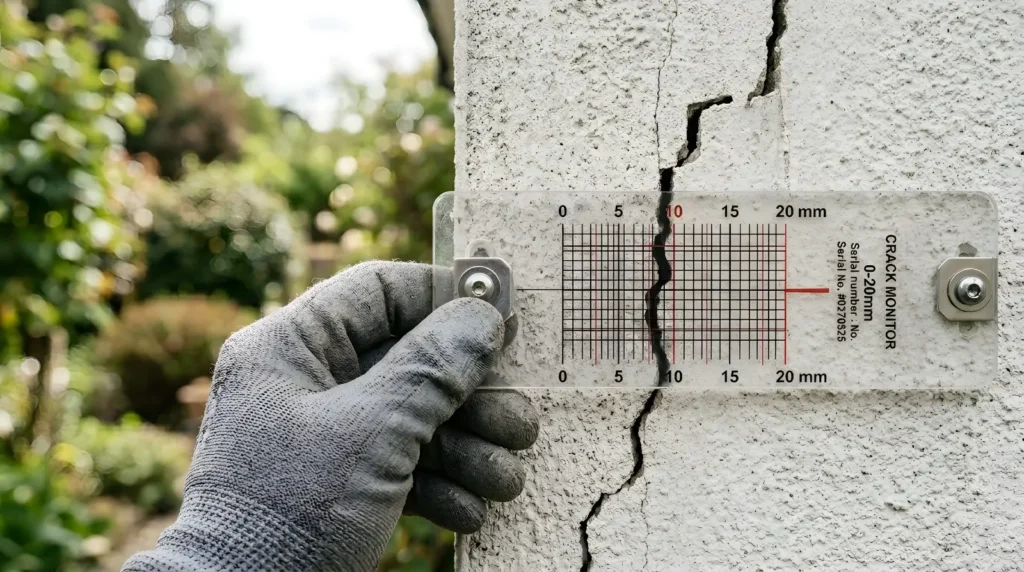
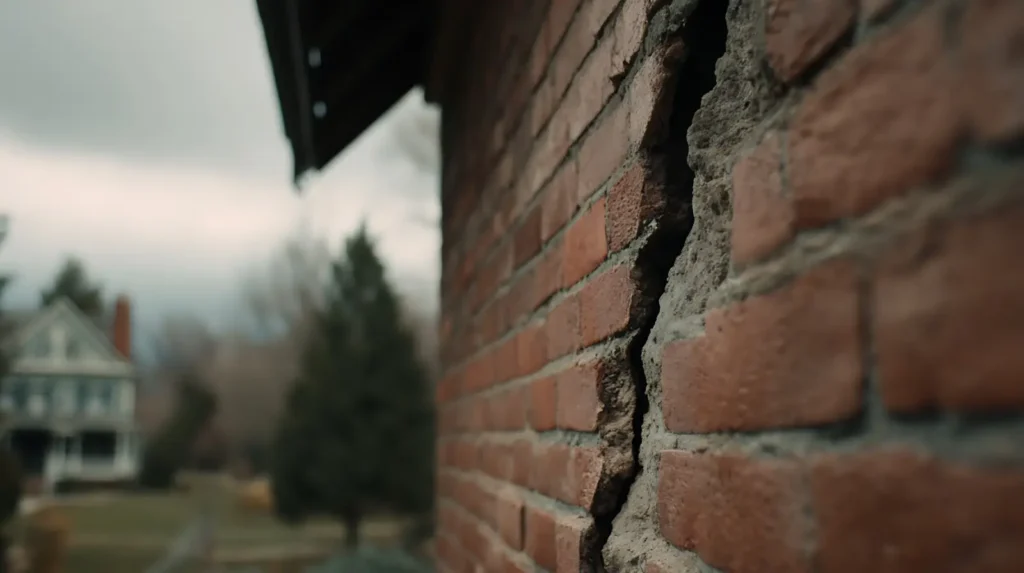
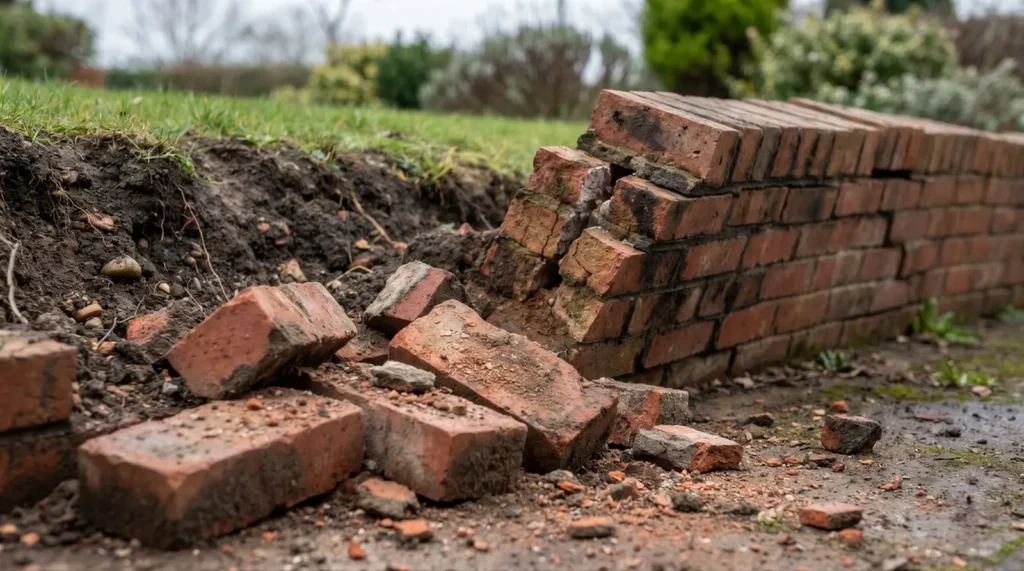
The report is prepared by a qualified inspector with no stake in the outcome, which is what makes it useful in negotiation, an insurance claim or a VCAT proceeding.
What affects your price: the size of the property, the number of properties or boundaries being recorded, how much external and internal access is available, the level of photographic detail required, and location. A second report after the works are complete is quoted separately. Your exact fee is confirmed in writing before the booking is accepted.
The prices shown are minimum advertised prices and include GST. Your final fixed quote will be confirmed before booking and may vary depending on the property size, location, condition, complexity, access and required scope.
There is no single Victorian law that requires a dilapidation report on every project. In practice they are required by the conditions attached to a building or planning permit, by council or authority agreements for works in the road reserve, by developers and builders as a term of contract, and by insurers before high-risk work such as excavation, piling, underpinning or demolition.
They are also strongly advised whenever construction takes place close to a boundary. Under the Building Act 1993 the party carrying out protection works must give notice to adjoining owners, and a condition report is the practical way to establish the starting point. If you are unsure whether your project needs one, send us your permit conditions and we will tell you.
If you are the party carrying out the works, you may also need mandatory stage inspections during construction, and a BAL assessment if the land is bushfire prone.
It is an independent, dated record of a property’s condition at a point in time, documented in writing and with photographs. It is normally prepared before nearby construction begins, and again once it finishes.
Usually the party carrying out the works — the builder, developer or owner undertaking construction. Adjoining owners sometimes commission their own report as well, particularly on larger projects.
Two reports are standard practice. The pre-works report establishes the starting condition and the post-works report allows a direct comparison, which is what makes any later claim straightforward to resolve.
It depends on the conditions attached to your permit and on your council’s requirements. Send us the permit conditions and we will confirm what is needed.
Most residential properties take one to two hours on site, depending on size and the number of structures. The report is usually delivered the next business day.
To report on an adjoining property, yes — we need the owner’s permission and access to record internal and external condition. We can only report on areas we are able to safely access.
Posted on GoogleTrustindex verifies that the original source of the review is Google. On time and detailed! Ronald was lovely and explained everything well. The report came through within 24 hours too which was great.Posted on GoogleTrustindex verifies that the original source of the review is Google. Easy to schedule and very promptPosted on GoogleTrustindex verifies that the original source of the review is Google. Daniel was very punctual, friendly and courteous. Explained things well and would recommend him.Posted on GoogleTrustindex verifies that the original source of the review is Google. Very easy to deal with and super quick. I enquired in the morning, inspected at midday and had the report by 5pm.Posted on GoogleTrustindex verifies that the original source of the review is Google. Really impressed with the help Eli provided after completing my major bathroom renovation. His inspection highlighted a lot of areas that I needed tradies to fix, so I could be confident the works were good for the long-term. For any future works I do, I plan to engage your company again (especially as a checkpoint before paying final invoices - after which time getting resolution is super difficult). This inspection cost is very reasonable and a great investment. Thank you again for the help here, and scheduling flexibility.Posted on GoogleTrustindex verifies that the original source of the review is Google. A great service, recommended!Posted on GoogleTrustindex verifies that the original source of the review is Google. Great service - easy to deal with, very quick turnaround from enquiry to inspection to report. Lovely people, particularly Jan in the office and Daniel on site. Thank you for making what appeared to be a difficult process quite painless!Posted on GoogleTrustindex verifies that the original source of the review is Google. Good communication, prompt, professional. ThankyouVerified by TrustindexTrustindex verified badge is the Universal Symbol of Trust. Only the greatest companies can get the verified badge who has a review score above 4.5, based on customer reviews over the past 12 months. Read more
Send us the property details and the inspection you require. Our team will review the information and confirm the appropriate service and fixed price before booking.